How ABA Therapy Improves Daily Living Skills for Children with Autism
Michael · August 6, 2026 · 10 min read
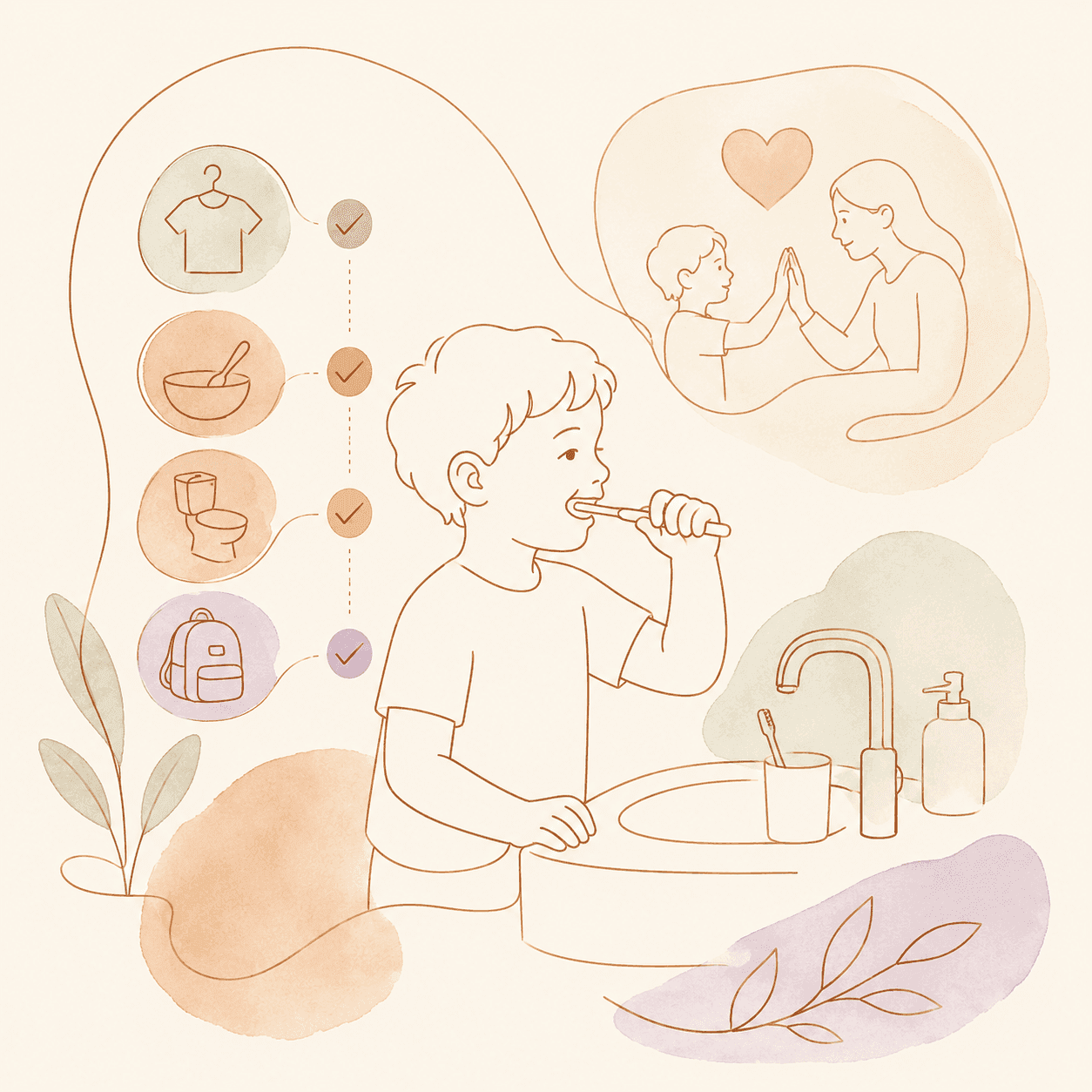
Daily living skills are some of the most important abilities children develop as they grow. These include basic tasks such as brushing teeth, getting dressed, eating independently, using the bathroom, communicating needs, and participating in household routines. For children with autism, learning and performing these skills can be challenging due to differences in communication, sensory processing, attention, and behavior. Applied Behavior Analysis (ABA) therapy provides structured, evidence-based strategies that help children build the daily living skills they need to gain confidence, independence, and success in everyday life.
What Are Daily Living Skills?
Daily living skills, often called Activities of Daily Living (ADLs), are the essential behaviors that allow a person to function independently. These skills include:
- Personal hygiene such as brushing teeth, bathing, grooming, and toileting
- Dressing and self-care routines
- Mealtime skills such as using utensils and trying new foods
- Household routines such as cleaning up toys or putting items in place
- Community skills such as following rules, staying safe outdoors, or waiting in line
- Social and communication skills such as asking for help or expressing needs appropriately
For many children with autism, these skills do not always develop naturally. ABA therapy breaks skills into manageable steps and teaches them in a way that supports learning and success.
How ABA Therapy Helps Build Daily Living Skills
ABA therapy is grounded in the science of learning and behavior. It uses structured teaching strategies to help children master skills one step at a time. Here are the tools ABA therapists commonly use to teach daily living skills:
1. Task Analysis
Complex tasks are broken into smaller, teachable steps. For example, brushing teeth may include turning on the water, wetting the toothbrush, applying toothpaste, scrubbing in a pattern, rinsing, and cleaning up. Each step is taught gradually until the child can complete the full routine independently.
2. Prompting and Fading
Therapists use prompts such as verbal cues, modeling, or physical guidance to help the child complete a task. As skills improve, prompts are gradually reduced until the child can perform the task independently.
3. Reinforcement
Positive reinforcement encourages children to repeat successful behaviors. Reinforcement might include praise, high fives, tokens, or a favorite activity once a skill is practiced.
4. Visual Supports
Visual aids such as picture schedules, icons, timers, and charts help children understand routines and expectations. Many children with autism respond strongly to visual communication.
5. Repetition and Consistency
Daily practice and consistency across environments are essential to mastering new skills. ABA supports repeated learning opportunities that help behaviors become natural.
6. Generalization
ABA ensures skills taught in therapy transfer to home, school, and community settings. For example, learning to wash hands in session is practiced again in the kitchen, bathroom, and classroom.
Research Supporting ABA for Daily Living Skills
A study in the Journal of Autism and Developmental Disorders showed that ABA interventions significantly improved independent functioning and reduced problem behaviors in children with autism who practiced skills through structured routines and reinforcement strategies. This reinforces that systematic teaching and caregiver-supported practice can enhance real-world performance and independence.
Real-Life Examples of ABA in Daily Living Skill Development
Building Independence in Morning Routines
A child who struggled with getting dressed was taught each step using prompts, visual schedules, and reinforcement. Within weeks, they were able to complete the routine with minimal support, reducing morning stress for the entire family.
Improving Mealtime Behavior
Using structured reinforcement and gradual exposure, a child expanded food tolerance and began eating a balanced variety of meals, which improved nutrition and led to better energy and participation in therapy.
Developing Safety Awareness
Through repeated practice and reinforcement, a child learned to stop at crosswalks, hold hands while walking near traffic, and follow safety instructions outdoors. These outcomes show that ABA is not limited to therapy rooms. It builds practical abilities that improve family life and long-term independence.
The Long-Term Benefits of Daily Living Skill Development
- Increased independence in home and community settings
- Reduced caregiver stress and reliance on adult assistance
- Stronger self-esteem and confidence
- Greater readiness for school participation
- Improved communication and emotional regulation
- Better quality of life for the child and family
Daily living skills are the foundation for future success. Mastering them early creates independence that continues to grow throughout a child’s life.
Who Benefits from ABA Daily Living Skill Programs?
ABA supports children across ability levels, from those needing full assistance to those learning to refine skills. This includes children who:
- Need step-by-step guidance for daily routines
- Have difficulty completing tasks without help
- Struggle with transitions and changes in routine
- Experience sensory challenges that affect hygiene and mealtime
- Need support with communication related to daily needs
No two children learn the same way, so goals and teaching methods are customized to meet each child’s needs.
Daily living skills are essential for independence and lifelong success. ABA therapy provides structured, evidence-backed tools that help children build these skills step by step. By focusing on task analysis, reinforcement, visual supports, and generalization, ABA enables children to gain confidence in practical routines that matter every day. With early intervention, consistent practice, and strong support, children with autism can achieve meaningful progress that transforms family life and future opportunities. For families in North Carolina looking to begin ABA services without waiting, StarRise offers in-home ABA therapy with no waitlist, ensuring children can start learning important daily living skills right away in the comfort of home.