
What to Do When Your Child Resists ABA Therapy Sessions
August 6, 2026 · 5 min read
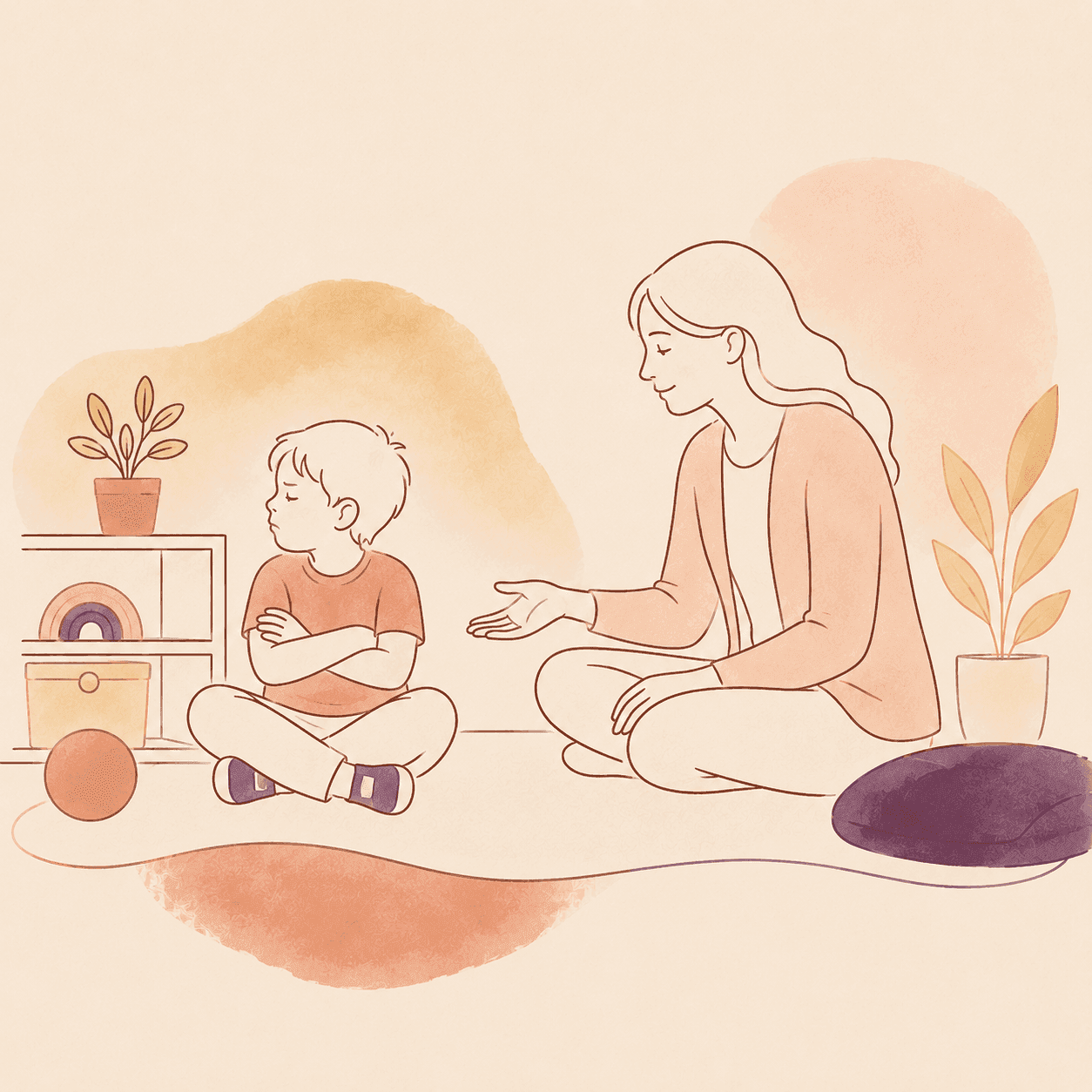
It can be difficult and emotional for parents when a child resists ABA therapy sessions. Some children may refuse to participate, become upset before sessions, avoid certain activities, or struggle with transitions into therapy routines.
Naturally, many parents begin asking:
- “Why does my child dislike therapy?”
- “Is this normal?”
- “Should I be concerned?”
The good news is that resistance during ABA therapy is not uncommon. In many cases, it does not mean therapy is failing. Instead, it may signal that adjustments are needed to better support comfort, communication, motivation, or transitions.
Understanding why resistance happens and how to respond supportively, can help create a more positive therapy experience for both children and families.
Why Children May Resist ABA Therapy
There are many reasons a child may resist therapy sessions.
Some common causes include:
- Difficulty with transitions
- Anxiety around unfamiliar routines
- Communication frustrations
- Fatigue or overstimulation
- Tasks that feel too challenging
- Difficulty separating from parents
Sometimes resistance is temporary and improves as trust and routine develop. Other times, it may indicate the need for changes within the therapy approach.
Understanding the root cause is the first step toward helping your child feel more comfortable.
Transitions Can Be Challenging
Many children thrive on predictability and routine. Transitioning from one activity or environment to another can feel overwhelming.
For example:
- Leaving home for a clinic
- Ending preferred activities
- Meeting new therapists
- Adjusting to structured routines
These changes can trigger stress or frustration.
Helpful strategies may include:
- Using visual schedules
- Giving transition warnings
- Creating consistent therapy routines
- Offering reassurance before sessions
Small adjustments can often make transitions smoother over time.
Building Trust Takes Time
ABA therapy involves new environments, expectations, and interactions. Some children may need additional time to feel safe and comfortable.
Trust develops gradually through:
- Consistency
- Positive reinforcement
- Relationship-building
- Respectful communication
When therapy feels supportive and engaging, resistance often decreases naturally.
Parents should remember that comfort and connection are important foundations for learning.
Communication Challenges Can Increase Frustration
When children struggle to express discomfort, preferences, or emotions, resistance may become their way of communicating.
For example, a child may:
- Avoid tasks
- Cry or withdraw
- Display challenging behaviors
- Refuse participation
This does not necessarily mean they dislike therapy itself.
Instead, it may indicate:
- Difficulty understanding expectations
- Need for breaks
- Sensory discomfort
- Frustration with communication demands
Therapists can help identify these triggers and adapt sessions accordingly.
How Parent Involvement Can Help
Parents play a major role in helping children feel secure during ABA therapy.
Helpful approaches include:
- Speaking positively about therapy
- Maintaining calm, consistent routines
- Reinforcing progress at home
- Communicating concerns with therapists
Children often respond to parental emotions and expectations. When parents remain encouraging and supportive, therapy can feel less stressful.
The Importance of Individualized Therapy
Every child responds differently to therapy approaches.
- A strong ABA program should:
- Adapt to individual needs
- Incorporate personal interests
- Balance structure with flexibility
- Use motivating activities
If sessions consistently feel overwhelming, the therapy plan may need adjustment.
Modern ABA therapy focuses on creating positive, meaningful learning experiences, not forcing participation.
Using Motivation to Increase Engagement
Motivation is essential for successful therapy sessions.
Therapists often use:
- Favorite toys
- Games
- Activities
- Interests
To encourage participation and communication.
When therapy feels enjoyable and rewarding:
- Engagement improves
- Anxiety decreases
- Cooperation becomes more natural
Children are more likely to participate when learning feels meaningful rather than pressured.
Signs Parents Should Discuss With the ABA Team
Some resistance is expected during adjustment periods, but ongoing concerns should be discussed openly with your therapy team.
Possible signs include:
- Extreme distress before sessions
- Significant behavioral changes
- Increased anxiety
- Withdrawal from preferred activities
- Frequent emotional meltdowns related to therapy
Open communication helps therapists:
- Identify triggers
- Modify strategies
- Improve comfort and engagement
Collaboration is key to creating successful therapy experiences.
Supporting Your Child at Home
Parents can help reinforce positive therapy experiences outside sessions.
Helpful ideas include:
- Celebrating small successes
- Creating predictable routines
- Practicing communication skills naturally
- Offering choices whenever possible
- Keeping expectations realistic
Consistency between home and therapy often improves comfort and confidence over time.
When Resistance Improves Over Time
For many families, resistance decreases gradually as:
- Routines become familiar
- Communication improves
- Trust develops
- Confidence grows
It’s important to remember that progress may not happen overnight.
Patience, flexibility, and collaboration can make a significant difference throughout the process.
Final Thoughts
At Starrise, families are part of every stage of this process. Our certified professionals use evidence-based ABA methods to help children grow in confidence, communication, and independence. We believe progress begins with understanding, and we are here to guide parents every step of the way.
Ready to Learn More? If you want to explore how these ABA techniques can help your child, our team is here to assist you. Schedule a Free Consultation →