
How ABA Therapy Supports Emotional Regulation in Children with Autism
Michael · August 6, 2026 · 5 min read
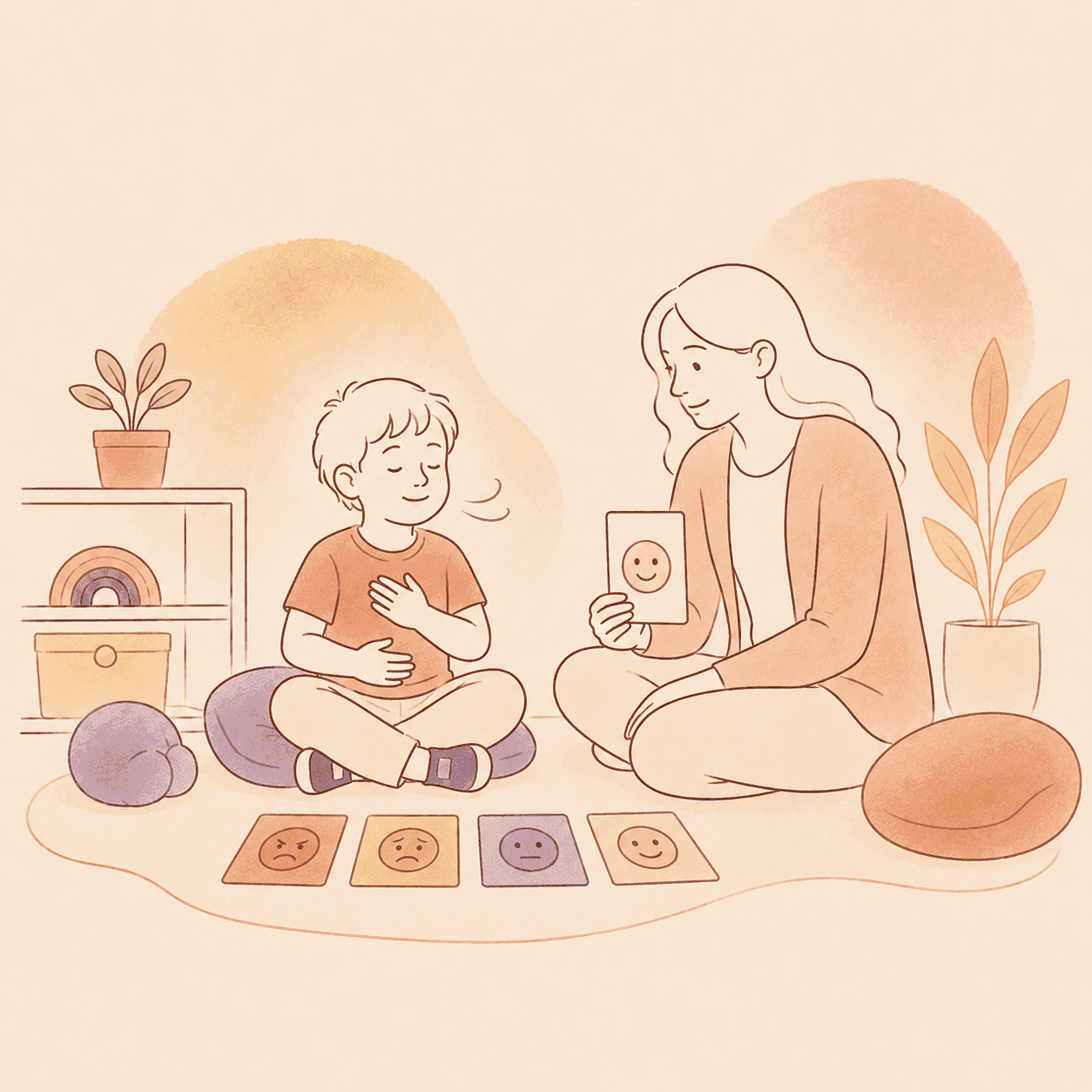
How ABA Therapy Supports Emotional Regulation in Children with Autism
Helping Children Understand, Express, and Manage Big Feelings
Emotional regulation is one of the most common challenges faced by children with autism. Big feelings can show up as meltdowns, withdrawal, aggression, or difficulty recovering after frustration. For many families, these moments feel unpredictable and exhausting.
ABA therapy does not aim to suppress emotions. Instead, it helps children learn how to recognize feelings, communicate needs, and respond to challenges in safer and more effective ways. Over time, these skills support calmer days, stronger relationships, and greater independence.
What Emotional Regulation Means in ABA
Emotional regulation is the ability to:
- Recognize internal feelings
- Respond to stress or frustration appropriately
- Recover after emotional distress
- Use coping strategies instead of unsafe behaviors
For children with autism, regulation can be difficult due to communication delays, sensory sensitivities, or difficulty understanding expectations. ABA therapy focuses on teaching regulation skills in a structured, supportive way that matches each child’s developmental level.
Why Emotional Regulation Is Often Difficult for Children with Autism
Emotional challenges are not a lack of effort or motivation. They often occur because:
- A child cannot express what they need
- Sensory input feels overwhelming
- Transitions happen too quickly
- Tasks feel too difficult or unpredictable
- Coping skills have not yet developed
ABA therapy looks beyond the behavior itself and asks why the behavior is happening. Understanding the function of behavior allows therapists to teach more effective emotional responses.
How ABA Therapy Builds Emotional Regulation Skills
ABA supports emotional regulation by teaching replacement skills that meet the same emotional need in safer ways.
Common ABA strategies include:
- Teaching communication skills to express feelings or request help
- Breaking tasks into manageable steps to reduce frustration
- Using visual supports to increase predictability
- Reinforcing calm responses and coping attempts
- Gradually increasing tolerance to challenges
Instead of reacting to emotional moments, children learn what to do before feelings escalate.
Teaching Coping Skills Through ABA
Coping skills are teachable. ABA therapy may help children learn to:
Ask for a break
- Use calming strategies such as deep breathing or movement
- Wait briefly before accessing preferred items
- Accept changes with support
- Recover more quickly after frustration
These skills are practiced repeatedly across settings so they become more natural over time.
What Emotional Progress Can Look Like
Progress in emotional regulation often appears gradually. Families may notice:
- Shorter meltdowns
- Faster recovery after distress
- Fewer aggressive or unsafe behaviors
- Increased communication during frustration
- Improved tolerance for transitions and demands
These changes may seem small at first, but they signal meaningful growth in emotional control and resilience.
How Parents Can Support Emotional Regulation at Home
Parents play a vital role in reinforcing emotional skills by:
- Responding calmly and consistently
- Praising attempts to use coping skills
- Keeping routines predictable
- Using visuals or reminders taught in therapy
- Communicating regularly with the ABA team
Consistency between therapy and home environments helps emotional skills strengthen faster.
Support for Families at Starrise
At Starrise, we believe emotional regulation is foundational to learning, independence, and quality of life. Our ABA programs focus on understanding each child’s emotional needs and teaching skills that help them feel safe, understood, and capable. We partner closely with families to ensure strategies are practical and supportive across daily routines.
If emotional regulation challenges are impacting your child’s progress, contact Starrise to learn how ABA therapy can help.