Natural Environment Teaching (NET) in ABA: Why Learning Through Play Works
August 6, 2026 · 5 min read
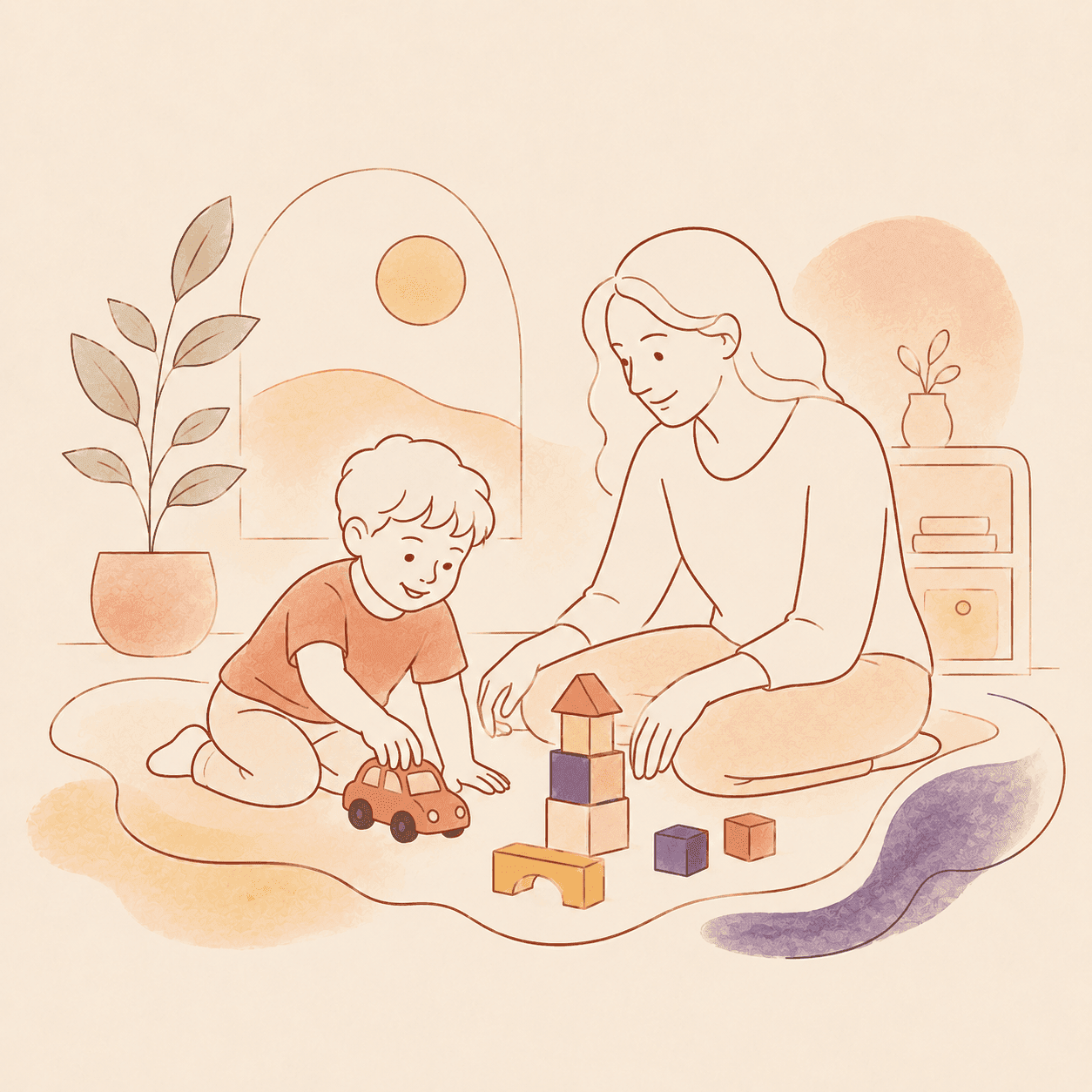
When parents first hear the term ABA therapy, many imagine structured sessions with flashcards, repetition, and formal teaching methods. While structured learning certainly has its place, modern ABA therapy also includes highly natural, child-centered approaches that make learning feel engaging and meaningful.
One of the most effective approaches is Natural Environment Teaching (NET). NET focuses on teaching skills during everyday activities, play, and routines rather than only in structured settings. Instead of learning in isolation, children practice communication, social interaction, and life skills in real-world situations where those skills naturally occur.
For many families, this approach feels more comfortable, enjoyable, and easier to integrate into daily life. Most importantly, it helps children apply learned skills more naturally across environments. In this blog, we’ll explore what Natural Environment Teaching in ABA is, how it works, and why learning through play can support long-term progress.
What Is Natural Environment Teaching in ABA?
Natural Environment Teaching (NET) is an ABA therapy approach that focuses on teaching skills within real-life situations and activities that are naturally motivating for the child.
Rather than sitting at a table for every lesson, learning may happen during:
- Playtime
- Snack time
- Outdoor activities
- Daily routines
- Social interactions
For example: If a child enjoys playing with bubbles, the therapist may use that activity to encourage communication, requesting, eye contact, or turn-taking.
The goal is to make learning:
- Functional
- Engaging
- Meaningful
- Easier to generalize in everyday life
Why Play-Based Learning Matters in ABA Therapy
Children naturally learn through interaction and play. Play creates opportunities for:
- Communication
- Problem-solving
- Social development
- Emotional expression
When therapy is connected to enjoyable activities, children are often:
- More motivated to participate
- More engaged during sessions
- More likely to retain skills
Play-based learning also reduces pressure and creates a positive learning environment, which can improve overall therapy experiences for families.
How NET Differs from Traditional Structured ABA
Both structured ABA and NET are valuable, but they serve different purposes.
Structured ABA
- Therapist-directed
- Often conducted at a table
- Focuses on repetition and skill-building
- Useful for introducing new concepts
Natural Environment Teaching
- Child-led and activity-based
- Happens in everyday settings
- Focuses on applying skills naturally
- Encourages spontaneous communication and interaction
Modern ABA programs often combine both methods to create balanced learning experiences.
How NET Helps Build Communication Skills
One of the biggest benefits of NET is how naturally it supports communication development.
Because activities are motivating, children are encouraged to communicate for real purposes rather than simply responding to prompts.
For example:
- Requesting a favorite toy
- Asking for help
- Labeling objects during play
- Practicing conversation during games
These real-world communication opportunities help children:
- Use language more independently
- Improve social interactions
- Reduce frustration related to communication challenges
Parents often notice that skills learned through NET feel more natural at home and in community settings.
Encouraging Social Skills Through Everyday Interactions
Social interaction can feel overwhelming when taught only in structured settings. NET allows children to practice social skills during meaningful moments.
Examples include:
- Taking turns during games
- Sharing toys
- Responding to peers
- Practicing greetings
- Understanding social cues
Because these interactions happen naturally, children can better understand how social skills apply in everyday life.
This can improve:
- Peer relationships
- Family interactions
- Confidence in social environments
Improving Skill Generalization
One common challenge in ABA therapy is helping children apply learned skills across different environments.
A child may successfully complete a task during therapy sessions but struggle to use the same skill at home or school.
NET helps improve generalization because:
- Skills are practiced in multiple settings
- Learning occurs in real-world situations
- Children experience natural reinforcement
For example: A child who learns to request snacks during actual mealtime is more likely to use that skill consistently than if it were taught only with flashcards.
Why Motivation Is Important in ABA Therapy
Motivation plays a major role in successful learning.
In NET, therapists use activities and interests that naturally engage the child. This creates:
- Increased participation
- Better focus
- More positive associations with therapy
Instead of relying heavily on external rewards, NET often uses natural reinforcement.
For example: If a child asks for a ball appropriately, they immediately get to play with it.
This helps children understand the real purpose of communication and behavior.
The Role of Parents in Natural Environment Teaching
Parents are essential in NET because many learning opportunities happen during everyday routines at home.
Simple daily activities can support learning, including:
- Mealtime conversations
- Bath time routines
- Grocery shopping
- Outdoor play
- Bedtime routines
Parents can reinforce skills by:
- Encouraging communication
- Modeling language
- Praising positive behaviors
- Creating opportunities for interaction
Because NET fits naturally into daily life, families often find it easier to continue practicing outside therapy sessions.
Examples of NET in Everyday Life
Natural Environment Teaching can happen almost anywhere.
During Playtime A therapist may encourage requesting, turn-taking, or labeling toys.
At Snack Time Children may practice asking for food items or making choices.
Outside Activities Outdoor play can support following instructions, social interaction, and motor skills.
During Story Time Children may practice listening, answering questions, and identifying pictures.
These moments create meaningful learning experiences without making therapy feel overly rigid.
Benefits of Natural Environment Teaching for Families
Many parents appreciate NET because it feels more natural and family-centered.
Benefits may include:
- Reduced pressure during therapy
- More enjoyable learning experiences
- Improved participation
- Easier carryover into daily life
- Greater confidence for parents
Children often feel more comfortable learning in familiar settings and activities they already enjoy.
Is NET Right for Every Child?
Every child’s needs are unique, which is why ABA therapy programs are individualized.
For some children: NET may be highly effective for communication and social development
For others: A combination of structured teaching and NET may provide the best balance
A qualified ABA team will assess:
- Learning style
- Developmental needs
- Motivation
- Skill goals
To determine the most effective therapy approach.
What Parents Should Look for in a NET-Based ABA Program
If you’re considering ABA therapy that includes NET, look for programs that:
- Individualize therapy goals
- Encourage parent involvement
- Incorporate play and daily routines
- Focus on functional skills
- Use positive reinforcement strategies
A strong program should prioritize meaningful progress that supports real-life independence and communication.
Final Thoughts
At Starrise, families are part of every stage of this process. Our certified professionals use evidence-based ABA methods to help children grow in confidence, communication, and independence. We believe progress begins with understanding, and we are here to guide parents every step of the way.
Ready to Learn More? If you want to explore how these ABA techniques can help your child, our team is here to assist you. Schedule a Free Consultation →